PVRADAR logo

Example notebooks

Explore real-world use cases with our Python-based framework for solar performance modeling. These Jupyter notebooks demonstrate how to access environmental data, model various types of performance losses, and optimize operational strategies using the PVRADAR Python package.

Start using PVRADAR today: Installation Instructions

Please use the latest version of pvradar-sdk

Register for our upcoming webinars or watch recordings of past sessions: Webinars
📡 Data Access & Validation

Retrieve, compare, and validate environmental and operational data from public and private sources.

card image
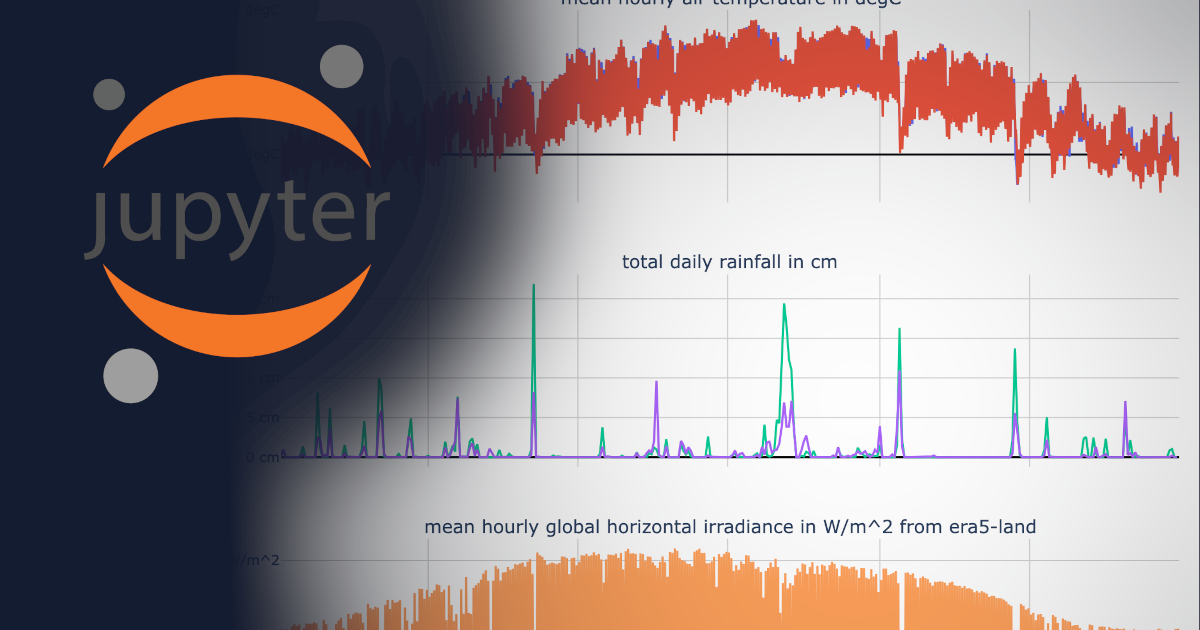
Learn how to get precipitation, temperature, wind speed, and more in a single line of code.
card image
Retrieve and compare snowfall metrics relevant to snow loss modeling.
card image
Benchmark ground station data against satellite estimates to select your preferred data source.

☀️ Model PV Performance

Build model chains and quantify the physical effects that influence PV system performance.

card image
Apply pvlib-based soiling models with custom parameters and compare outputs.
card image
Simulate snow-related production losses using physical and empirical models.
card image
Estimate energy loss from tracking system failures based on irradiance and geometry.

📈 Model Calibration & Validation

Use measurements to calibrate model parameters and test how accurately models reproduce observed behavior.

card image
Derive u_c and u_v temperature coefficients from measured module temperatures.
card image
Estimate monthly soiling loss factors and quantify energy losses using HSU soiling model with parameters optimized against actual measurements in similar conditions.

📡 Yield Forecasting & Optimization

Use models and forecasts to support operational decisions and estimate future performance.

card image
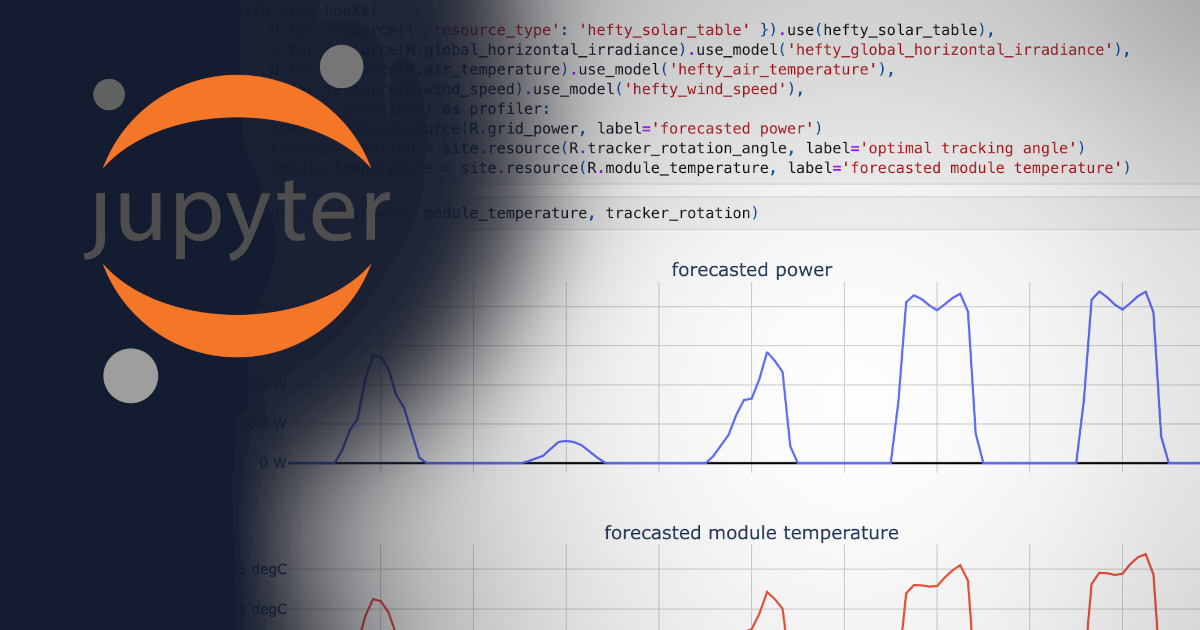
Retrieve irradiance forecasts from the ECMWF IFS via the hefty Python package and turn them into yield predictions for your solar asset with PVRADAR.

🧪 Research & Case Studies

Explore research applications, scientific analyses, and examples developed together with external experts and partners.

card image
Analyze aerosol dynamics and characterize airborne dust using AOD and Ångström Exponent from MERRA-2.

Can’t find your specific use case?