Turn scattered design documentation into structured digital twins
Make portfolio data usable at scale by converting existing design documentation into machine-readable digital twins.
- Automatically extract information from PDFs, Excel files, DWGs, PVSyst projects, and other design documentation.
- Create structured digital twins for individual assets or entire portfolios.
- Access plant configurations, components, layouts, and design parameters through a consistent interface.
- Run portfolio-wide models, scripts, and analyses without manually preparing each project.
Automate PV & BESS performance analytics
Free up engineering capacity by turning recurring analysis into transparent, reusable workflows.
- Automate recurring performance calculations and loss breakdowns across entire portfolios.
- Compare expected and measured performance to quantify underperformance.
- Build internal modeling tools that can be reused across teams and projects.
- Validate models and assumptions against real measurement data.
- Turn models and scripts into APIs, dashboards, or internal applications.
Forecast production and optimize operational decisions
Improve asset performance and revenue by combining digital twins, operational data, forecasts, and optimization models.
- Generate production forecasts using your preferred models and data sources.
- Quantify expected losses and their economic impact.
- Optimize operational decisions based on technical and commercial objectives.
- Automate recurring calculations as new operational data becomes available.
- Deliver results through scripts, APIs, dashboards, or custom applications.
Automate PV & BESS design
Reduce engineering effort and explore more design alternatives by turning manual design workflows into automated scripts.
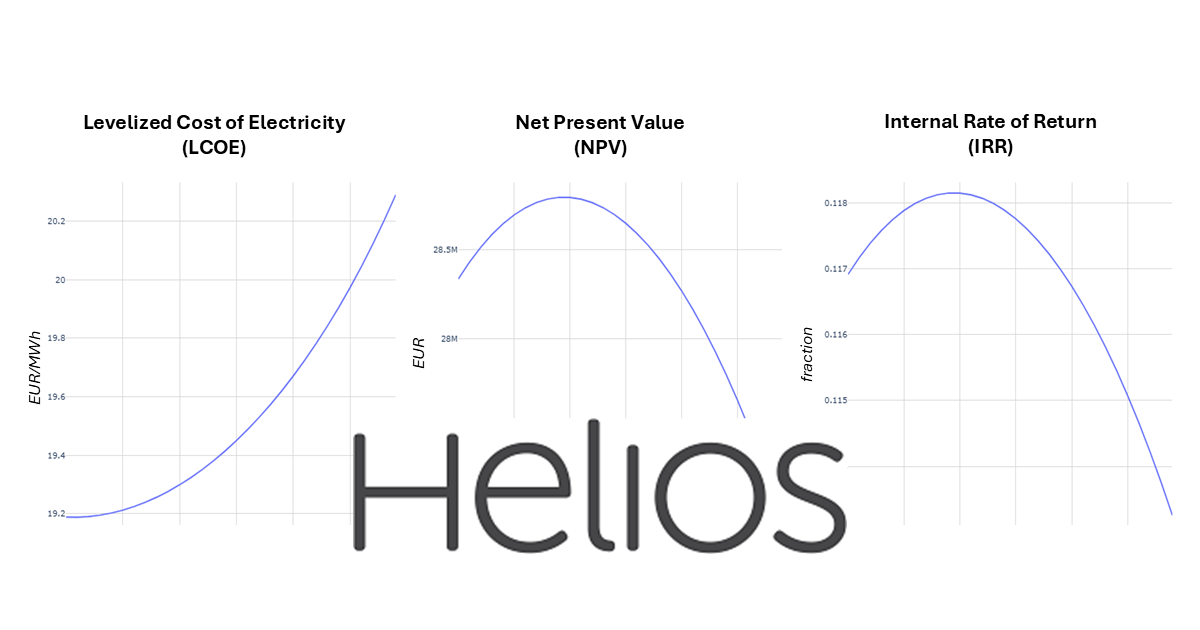
- Automate PV yield, BESS dispatch, and financial calculations.
- Integrate meteorological data, market prices, technical constraints, and internal assumptions.
- Evaluate hundreds of design variants automatically.
- Apply your own models, optimization criteria, and engineering logic.
- Keep every assumption and calculation transparent and adaptable.
Soiling assessment & cleaning optimization
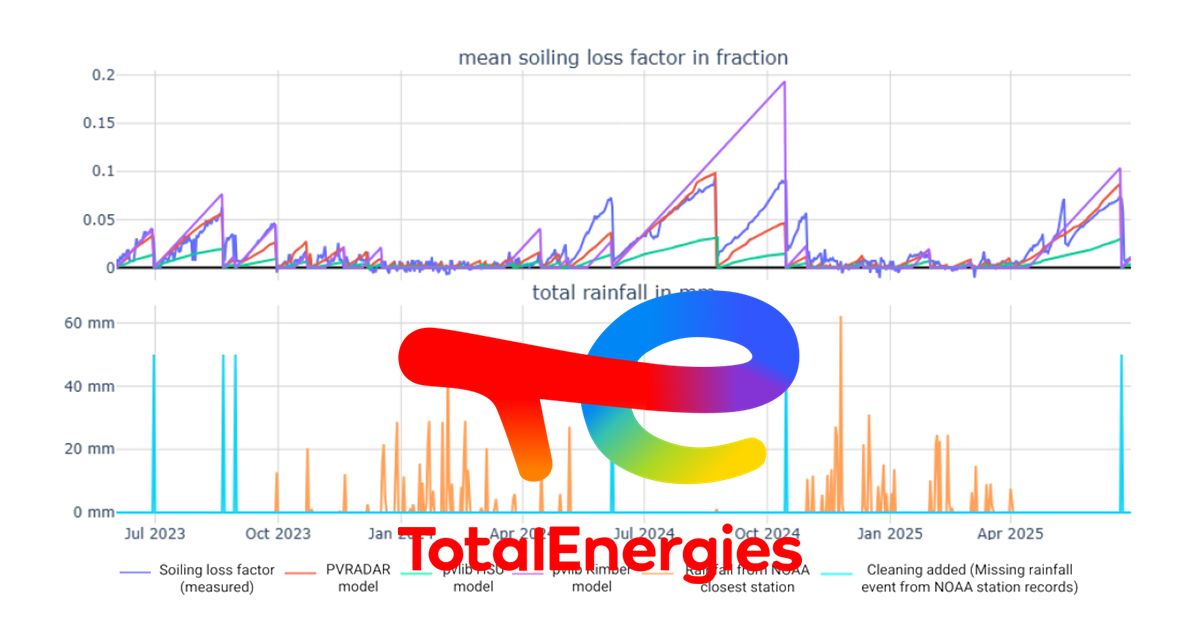
PVRADAR Labs started its journey by developing a highly accurate physical-empirical soiling model that combines site-specific environmental data with real measurement-based calibration.
Use it to estimate daily or monthly soiling losses, improve yield assumptions, and optimize cleaning strategies during project development and operation.