
The most accurate soiling model on the market
The proprietary PVRADAR soiling model combines a physics-based approach with empirical calibration to deliver highly accurate, site-specific results.
At its core, the model simulates particle deposition and removal using historical meteorological data. To further enhance accuracy, it is calibrated for each location using empirical evidence from the PVRADAR global soiling measurement database.
The model has been validated by external parties across diverse climates and has demonstrated higher accuracy than established approaches such as HSU and Kimber.
Climatic effects
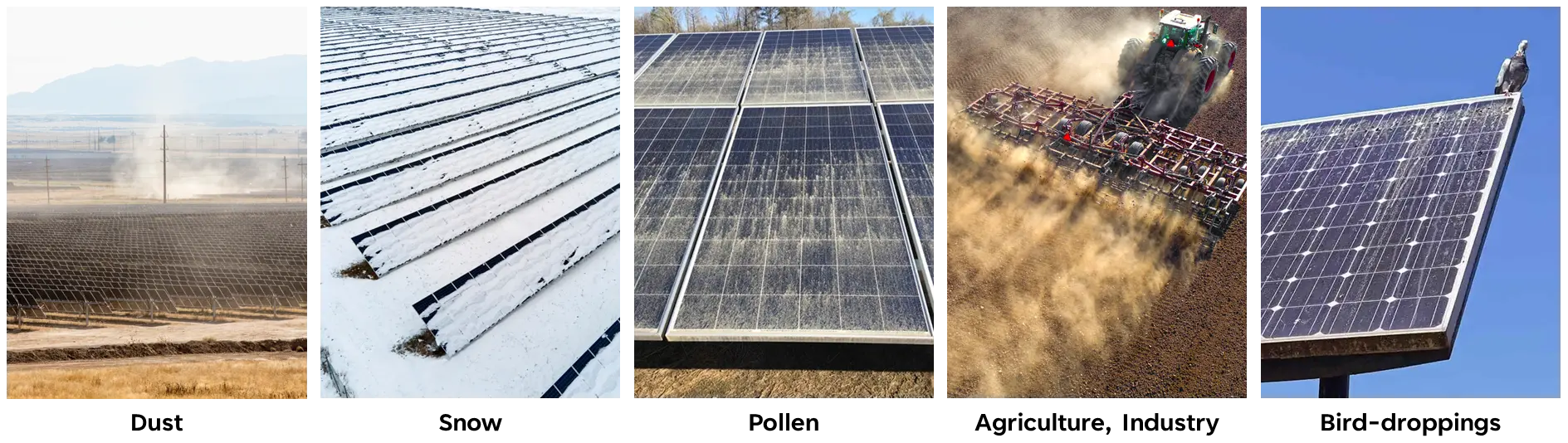
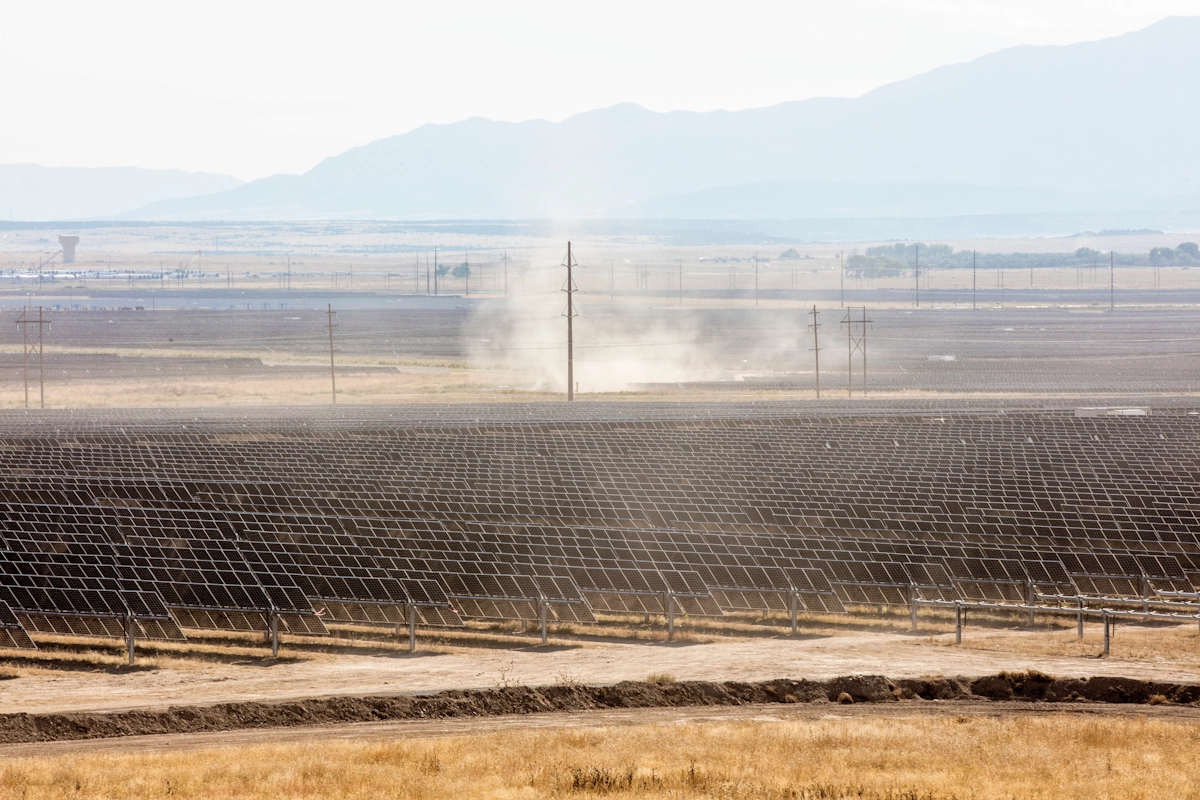
Dust
Dust is the primary source of soiling in dry and arid environments, such as deserts. Originating from mineral sources, dust can be effectively cleaned by rain. However, after extended dry periods, losses can be significant.
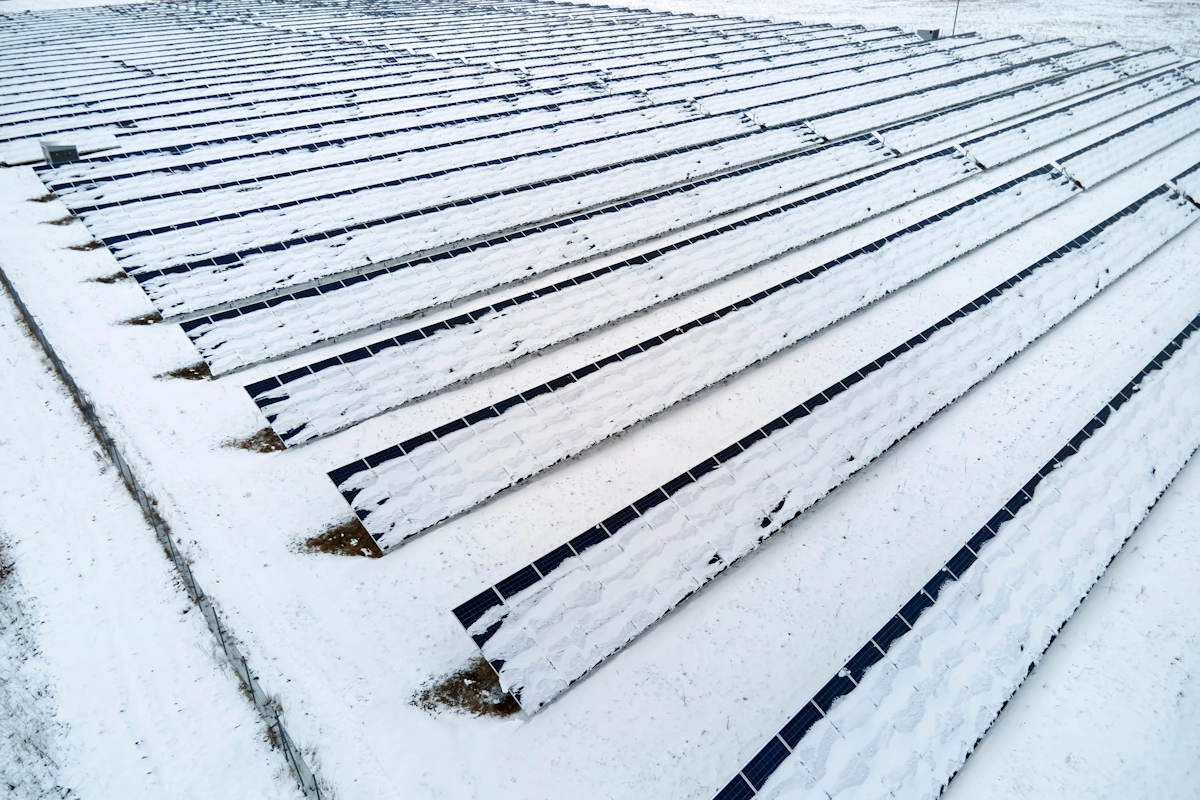
Snow
Snow soiling occurs when snowfall covers PV modules. Although this type of soiling can be severe, it is typically short-lived because the snow tends to slide off, melt, or be blown away by the wind. The impact of snow soiling is highly dependent on the orientation and mounting structure of the modules. While cleaning machines can remove snow, such an approach is usually not cost-effective.
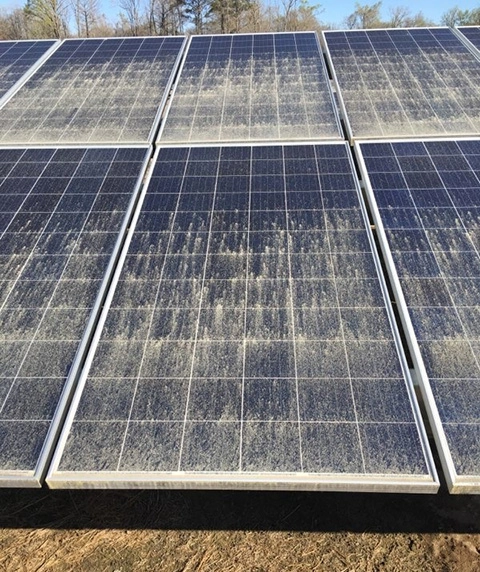
Pollen
Pollen soiling, caused by nearby vegetation, is highly seasonal. Although rain can wash away some of the pollen, a significant portion may adhere to the modules in the presence of high humidity, forming persistent layers that require wet cleaning. Initially, the impact of pollen soiling may be minimal, but it can accumulate over the years, leading to a substantial reduction in production efficiency.
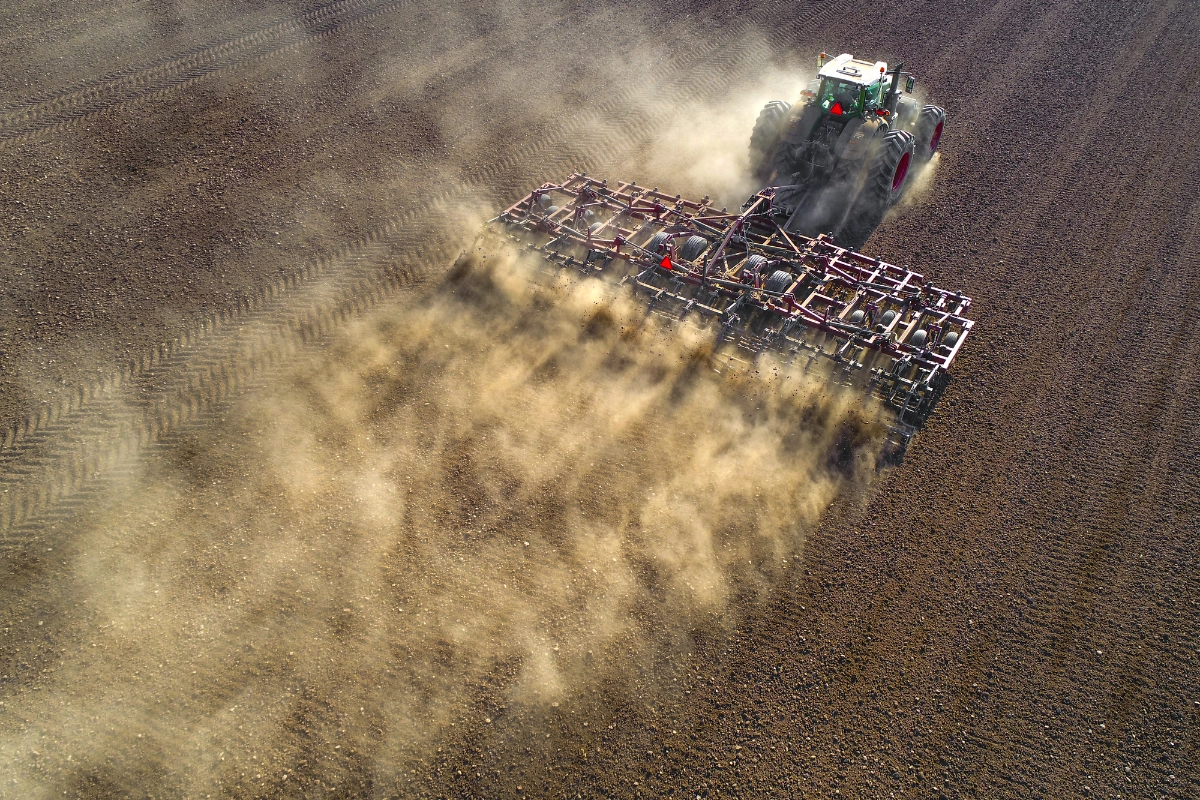
Agriculture
Industrial and agricultural activities can create super-localized soiling effects, which change over time as land use evolves. These effects are challenging to predict and must be factored in by engineers. Other examples of localized soiling sources include livestock, mines, and unpaved roads.
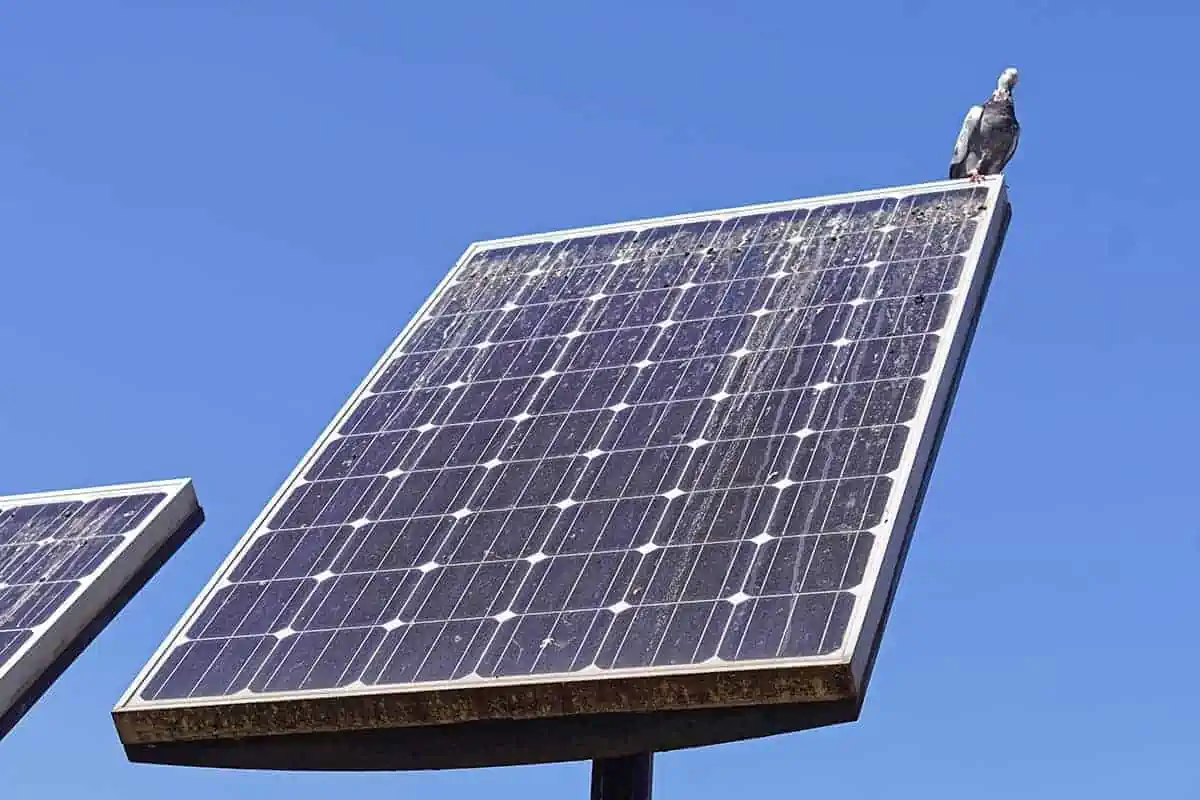
Birds
Bird droppings is a form of highly localized soiling that is very difficult to predict. Bird droppings can create hot spots on PV modules, leading to potential damage and efficiency loss. In areas with large bird populations, regular maintenance and cleaning schedules are essential to mitigate these effects.
Soiling & Cleaning App during development
Go from generic soiling assumptions to site-specific soiling loss factors directly importable into PVSyst and PlantPredict.
The Soiling & Cleaning App is a user-friendly web platform that standardizes soiling assessment at any location and for any plant design. It enables teams to quantify soiling risk, compare the economic impact of different cleaning technologies, and select the optimal strategy.
The result: consistent decision-making across your organization and comprehensive, defensible outputs ready for internal and external review.
Cleaning optimization during operation
Built on the PVRADAR Framework, custom developments allow users to leverage their own measurements to forecast soiling losses and improve decision-making for projects under development or in operation.
Calibrate site-specific models, forecast short- and long-term behavior, and continuously refine cleaning strategies.
Access results through APIs or operational dashboards, enabling automated instructions and data-driven decisions across the organization.